



Do Electric Cars Hold Their Charge Better on City or Highway
There’s no denying that electric vehicles (EVs) will dominate the roads in the near future. While cruising the streets in Orange, California, you’ll likely see several EVs on the road, and you might even notice charging stations popping up at shopping centers or around residential areas. In fact, California has passed a law that will end the sale of gas-powered vehicles by the year 2035, so you can bet that you’ll be seeing even more EVs and charging stations as the state gradually prepares for the switch.
For many drivers who haven’t taken the leap into the world of EVs, questions still linger over how EVs work and what shifts in driving habits need to occur in order to adjust to an EV. The truth is, driving an EV can be fun, and the changes that you’ll notice compared to a gas-powered vehicle are oftentimes not as scary as they might seem. One area you might be wondering about is under which driving conditions an EV’s battery best holds its charge: city or highway? The answer might surprise you.
How Does an EV’s Battery Work?
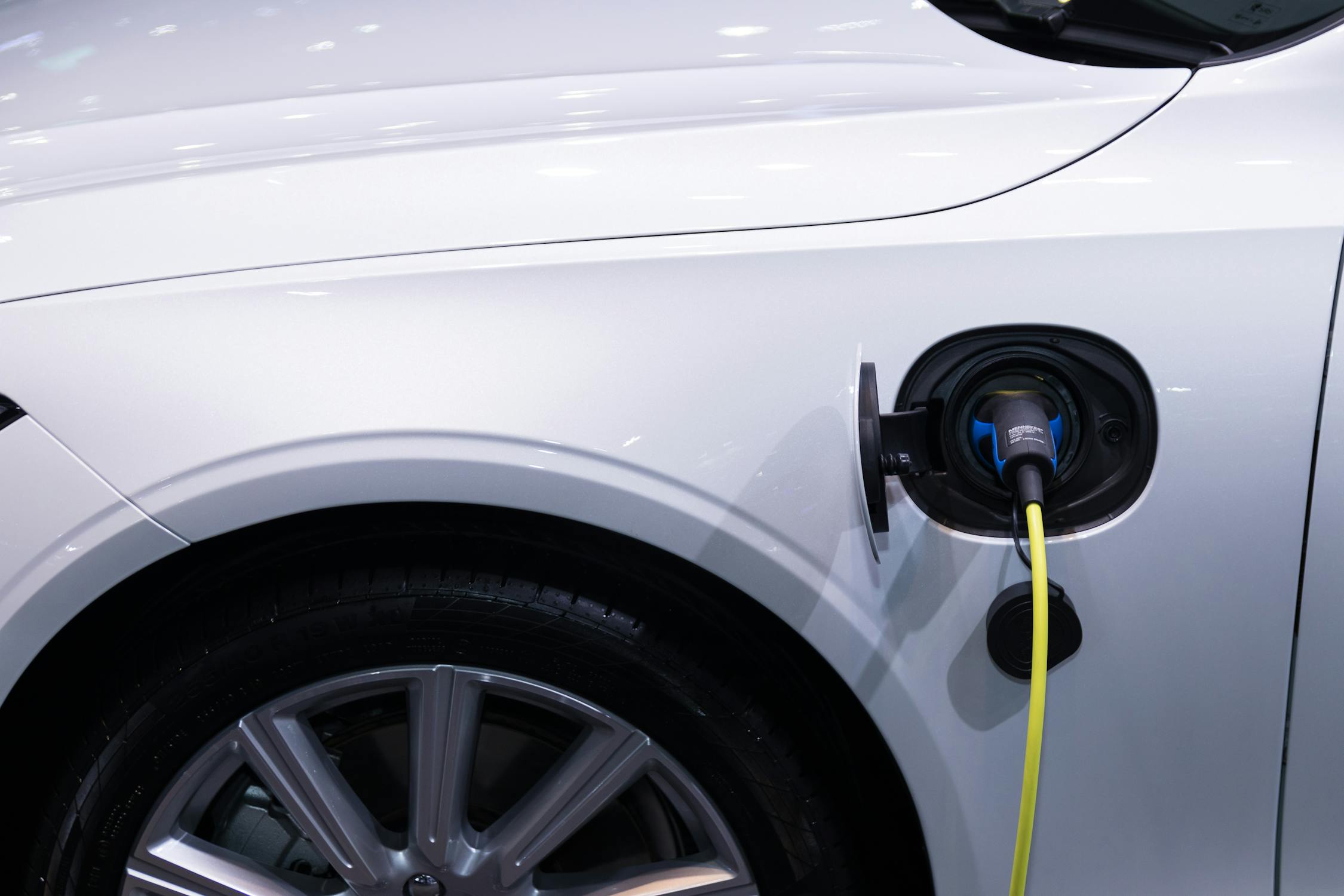
Most EVs on the market today are powered by a rechargeable lithium-ion battery. These batteries were designed to be very compact and have high energy density, meaning they’re able to carry a lot of power in a relatively small space. In order to be charged, they need to be plugged into an electric power source. This is different from a hybrid vehicle’s battery, which recharges as the car drives. After the battery is charged, it’s able to transfer its energy to the vehicle’s motor to propel the car.
The driving range for EVs varies greatly, ranging anywhere from 100 miles to more than 500 miles per charge.
How Do Driving Conditions Affect Battery Range?
This is where EV batteries see a sharp contrast to gas-powered vehicles. If you’re used to driving a traditional gas-powered car, you’re used to finding better gas mileage on the highway than when you’re driving in the city. The frequent acceleration and braking that comes with city driving drain your gas tank much faster than driving the same speed on the open road for miles and miles. However, with an EV, your battery will drain faster on the highway than in the city.
One of the reasons why EV batteries last longer in city driving conditions has to do with their ability to recapture energy when decelerating by slowing the vehicle using the electric motor rather than the braking system. The other main reason has to do with driving speeds. When driving in city conditions, you’re typically driving at slower speeds than on the highway. The faster you drive, the faster your electric motor needs to spin, which uses more of its energy and thus drains the battery faster.
Another factor to consider with an EV is the weather. While we don’t really need to worry about freezing conditions here in Orange, if you take your EV on a road trip to a cooler climate, you’ll notice your battery will die faster than it does in warm weather conditions.
The reason for this is twofold. First, it takes a lot of energy to heat a car and keep the driver and passengers comfortable. While a gas-powered car uses heat created from the combustion engine to warm the car’s cabin, the heat for an EV has to come from the same energy pool that propels the motor, thus reducing your available driving range. Second, an EV battery uses chemical reactions to create power, and these reactions slow down in cold temperatures. This increases the charging time and decreases the amount of energy output.
How Do You Charge an EV Battery?
For an EV battery to be charged, it needs to be plugged into an external power source. There are currently three levels of charging for an EV battery. Level 1 charging is the slowest but easiest to access. This type of charging usually just involves plugging your vehicle directly into a 120-volt outlet in your house using an adapter that most likely came with your vehicle. Level 1 charging might be convenient, but it’s very slow, taking 24 hours or more to fully charge a battery. If you only drive your EV occasionally, this might work fine.
However, if you drive your EV on a daily basis, a Level 1 charger just won’t cut it. Level 2 chargers are the next option, and they’ll fully charge an EV’s battery in approximately eight hours. Many EV owners will opt to install a Level 2 charger in their home so they can be sure to have a fully charged vehicle by the time they wake up for work in the morning. You also might find Level 2 chargers in public places, making them a great option if you have one near your workplace.
If you’re in need of a fast charge, such as if you’re on a long road trip, you’ll need to find a Level 3 or DC fast charger. Level 3 chargers can charge an EV battery in around 30-60 minutes, making them the best option if you need to get back on the road in a hurry. Because the need for Level 3 chargers is rapidly on the rise, drivers can download apps such as PlugShare or ChargeHub to help them identify charging stations along their routes.
When charging an EV battery, it’s actually best not to charge the battery to 100% capacity. Rather, drivers should stop the charging when it’s around 85%-90% charged instead. One reason for this is that the charge rate slows significantly for the final 10%-15% of charge time. In addition, continually charging the battery to 100% will slowly decrease the battery’s capacity over time, which isn’t something drivers of EVs want to do.
Is an EV the Right Choice for Me?
It’s safe to say that the constantly evolving engineering makes EVs just as convenient, reliable, and affordable as gas-powered vehicles, they’re a great choice for the vast majority of drivers. Drivers who typically travel under city conditions in warm climates will get the most efficiency from their battery, which sounds like the majority of drivers in the Orange, California, area. If you’d like to take a look at our latest selection of EVs at Mazda of Orange, be sure to check out our online inventory.
Image by Rathaphon Nanthapreecha is licensed with Pexels License
0 comment(s) so far on Do Electric Cars Hold Their Charge Better on City or Highway